Skip to content
The Art of Acquisitions: Maximizing Returns Through Strategic Business Investments

Buying another business can be a big step forward for your company. But making it work isn’t always easy—it takes a lot of planning, research, and careful decision-making.
In this article, we’ll break down everything you need to know. We’ll talk about what business acquisitions are, why an investment thesis is important, and how to figure out if a business you’re thinking about buying is a good investment.
Plus, we’ll point out some common mistakes to steer clear of along the way. By the end, you’ll have a roadmap for making the most out of your business investments.
Understanding Business Acquisitions
A business acquisition is a strategic move designed to bolster your company’s position in the market. It’s about integrating their resources, strengths, and capabilities into your own operations.
You’re essentially purchasing a ready-made extension to your business that can help you expand your market reach, diversify your product line, or increase your operational efficiency.
But it’s not a decision you make lightly. There’s significant financial investment involved, and the integration process can be complex. You need to ensure the acquired company’s culture and business model align with yours. Still, when done right, an acquisition can provide a significant competitive advantage.
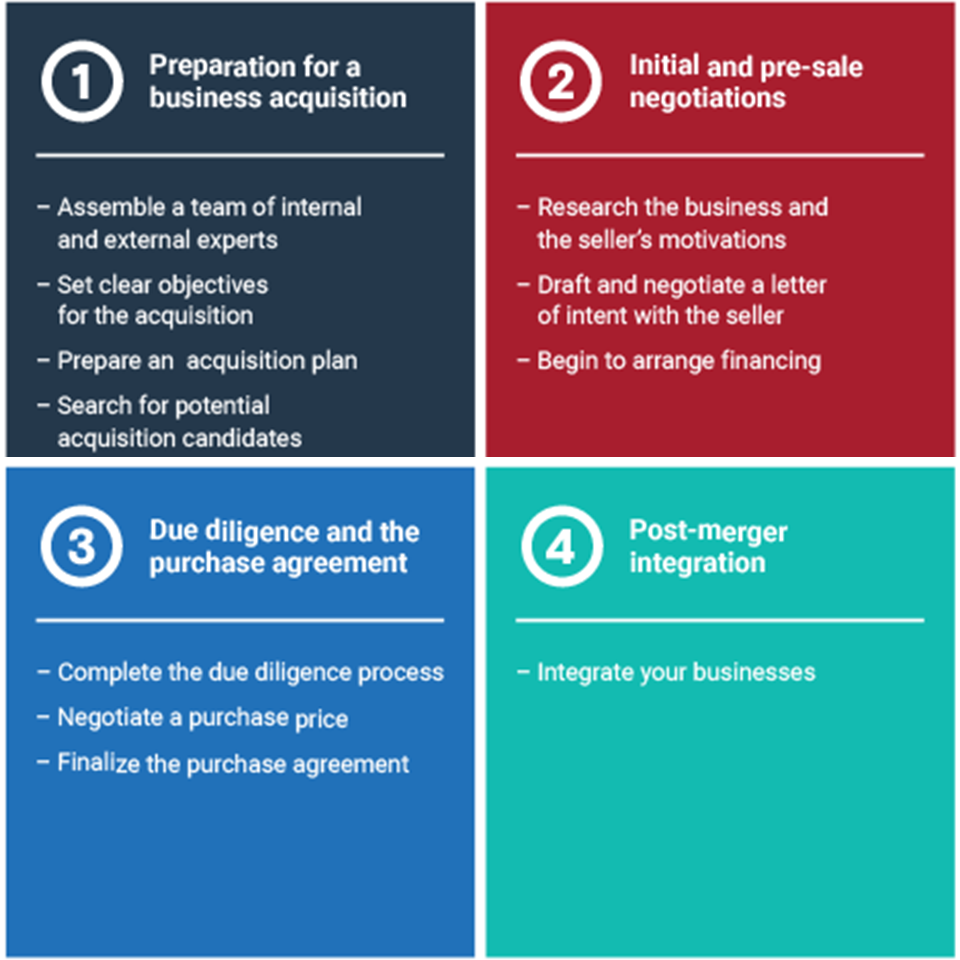
Assessing Acquisition Opportunities
When you’re thinking about buying another business, it’s smart to look at a few key things.
First, what’s happening in the industry? What’s the competition like, and could any big changes be coming in the market? These factors could affect whether the business you’re considering might be a good investment.
Then, you want to make sure the business is financially stable. To do this, you can look at things like its balance sheets (which show what the business owns and owes), income statements (which show profits and losses), and cash flow statements (which show where its money is coming from and going to).
Next, conduct due diligence. This means making sure the business is in good standing from a legal standpoint, checking if it has any debts or obligations, and ensuring there aren’t any major regulatory issues it might have to deal with.
Lastly, consider whether the business matches up with your own long-term plans. A great deal doesn’t just mean a good price—it also means a business that has the potential to grow and deliver a solid return on your investment.
Importance of Investment Thesis
An investment thesis is like a road trip plan for your money. It helps you stick to your overall goals, figure out financial details, and watch out for possible problems. It helps you navigate through the twisty world of investing, keeping your eyes on the prize and avoiding unnecessary side trips.
You can think of it as the GPS for your investment. It helps lead you to good money-making opportunities and keeps you away from risky business. It gives you the reasons why you’re investing, connects those reasons to your big-picture goals, and explains the financial benefits.
A good investment thesis gives clear instructions, which can help you make smart decisions with your money.
Sourcing and Evaluating Deals
When it comes to boosting your investment portfolio, you must be proactive in finding and vetting potential business deals.
Whether you plan to buy a business in Ottawa or Bangkok, it’s important to leverage your network, engage brokers, and utilize online platforms when sourcing deals. Direct contact with potential sellers can yield promising leads.
Once a deal catches your eye, begin the vetting process. Analyze the company’s financial health, operational efficiency, and market position.
Don’t overlook the value of a thorough quality of earnings analysis. This will help ensure the company’s accurate and sustainable financial performance.
The Role of the Investment Committee
The Investment Committee is a group of professionals who are pivotal in maximizing returns on investment. They meticulously review every deal, ensuring alignment with your strategic goals and assessing the associated risks.
Their feedback is invaluable, offering a fresh perspective and critical insights. Their collective experience contributes to balanced decision-making, eliminating emotional bias.
The committee is your frontline in managing potential issues, identifying pitfalls, and providing foresight to tackle uncertainties.
Strategic Development for Acquisitions
To maximize the profitability of your acquisitions, develop a strategic plan that considers corporate capabilities, financial stability, and legal matters.
- Corporate Capabilities: Evaluate your company’s ability to integrate and manage the new acquisition. Can your existing structure and resources handle the additional load?
- Financial Stability: Perform a thorough financial analysis of both your business and the acquisition target. It’s essential to ensure that the acquisition won’t strain your financial resources or jeopardize your company’s stability.
- Legal Matters: Never overlook the legal aspects of an acquisition. Ensure compliance with all applicable laws and regulations, including acquiring necessary permits and licenses.
Avoiding Potential Pitfalls in Acquisitions
In the complex landscape of acquisitions, you’ll need to sidestep a host of potential pitfalls to ensure your investment doesn’t sour. The biggest mistakes often stem from inadequate due diligence. You must not underestimate this important step.
Detailed research into the target company’s financials, operations, and market position is crucial. Don’t neglect to assess the firm’s culture, as a poor fit can derail even the most promising deals.
Additionally, overpaying is a common pitfall. Be realistic about the target’s worth and potential. Finally, beware of overconfidence. It’s easy to fall into the trap of believing you can fix any problem post-acquisition.
Keep your ego in check, and approach each deal with a healthy dose of skepticism.