Skip to content

Executing Short Positions On Global Stock Indices

Financial markets generally move through three broad phases: bullish, bearish, and ranging. A bullish market is characterized by rising prices, while a bearish market reflects a sustained decline. Ranging markets, meanwhile, tend to move within a defined price range without a clear upward or downward trend. Identifying which phase the market is in can help traders determine whether taking a long or short position is appropriate.
When global stock markets enter a bearish trend, falling prices can create opportunities for traders who expect further declines. Unlike long positions, which aim to profit from rising prices, short positions allow traders to potentially benefit when an asset moves lower. This makes shorting global stock indices one strategy traders can consider when markets show sustained downward momentum.
However, short selling is not limited to traders seeking to profit from falling markets. Investors may also use short positions as a hedging strategy to reduce their exposure to market declines. The approach ultimately depends on an individual’s risk tolerance, investment objectives, and existing portfolio exposure.
Why Investors Execute Short Positions
Investors may open a short position when they expect the price of a security to fall. Unlike a long position, where an investor buys an asset expecting its value to increase, a short position seeks to benefit from a decline in price. Short selling can therefore be used to pursue opportunities in falling markets.
Most investors hold individual stocks or index funds because they expect these assets to appreciate over the long term. However, financial markets do not move in a straight line. Economic conditions, interest rates, corporate earnings, investor sentiment, and other factors can cause stock prices to rise or fall over shorter periods.
A market downturn can therefore create a challenge for investors with long positions. Even when their long-term outlook remains positive, the value of their holdings may decline during a bearish period. Rather than selling their investments, some long-term investors may choose to remain invested and wait for market conditions to improve.
For example, an investor with significant exposure to equities may use a short position on a stock index to potentially reduce the impact of a broader market decline. This is known as hedging because it offsets the main investment so that if the value falls, the hedge goes higher. Investors seeking to hedge long positions or trade falling markets use spread betting on OANDA to execute short positions across global indices.
How Investors Use Spread Betting Bearish Market Trends
If a trader or investor wanted to short a falling asset, the traditional approach would have been to short-sell the security. Short selling allows traders to borrow shares and sell them in the hopes that the price will eventually fall. If that happens, they make profits and can then buy back the shares for less money.
This method is still common in stock exchanges, but a more effective approach for online trading is one that does not involve buying physical shares of the security. This is what spread betting offers.
Spread betting allows investors to speculate on market direction without owning the underlying security, enabling them to profit from rising or falling markets. This is why investors can hedge their portfolios without moving large amounts of cash around.
In the United Kingdom, the Financial Conduct Authority (FCA) regulates spread betting. The FCA ensures that traders are protected through fund segregation, leverage limits, and negative balance protection.
Steps in Executing Sell in Spread Betting
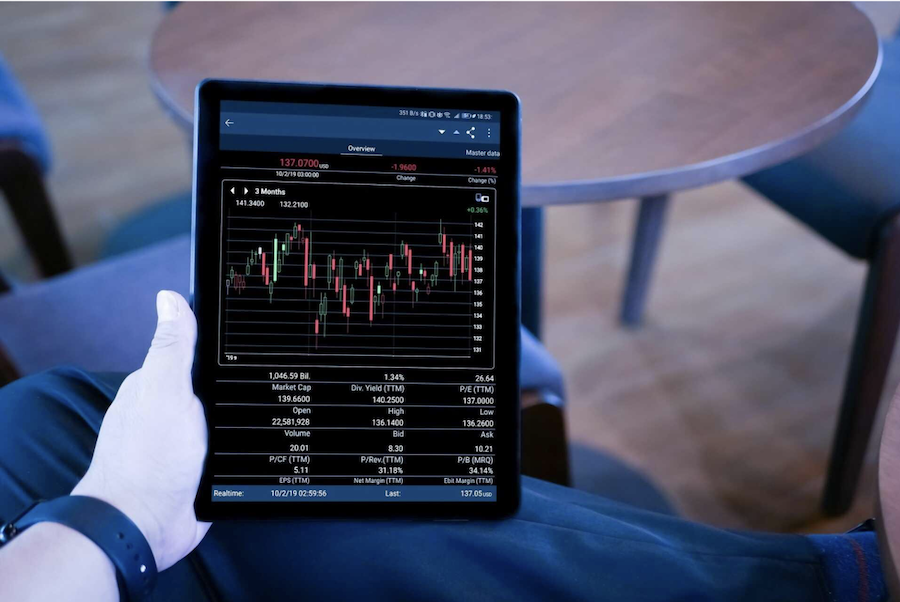
Here is how traders execute sell positions using spread betting.
(1) Market Analysis and Triggers:
The trader identifies a downward trend in a specific global stock index, such as the FTSE 100 or the ASX 200. The trader analyses the index’s charts and fundamentals to understand why it is falling and to estimate the magnitude of the decline. For instance, if rising interest rates or weak corporate earnings trigger the fall, it might be short-term or long-term. Traders also wait for a technical trigger, such as the price reaching a key support or resistance line, or an indicator reading.
(2) Define the Position Size:
Since traders don’t buy shares in spread betting, the next step is to choose a monetary value per point of movement. The trader calculates the stake size based on their total risk tolerance. For instance, a £3 size on the S&P 500 means the trader wins or loses £3 for every 1-point move in the index. This is where risk management is critical.
Since spread betting is leveraged, traders can control more money with a smaller amount. Traders must calculate each position’s leverage to determine an amount that fits their risk appetite.
(3) Open the Deal Ticket and Sell:
The trader then selects the specific index on the trading platform, opens the deal ticket, and selects the “Sell” (Bid) price. The broker executes the short position. Note that brokers usually have a spread, which means the positions open in a drawdown equivalent to the spread.
(4) Monitor and Adjust:
Traders also track the position relative to market news and macroeconomic data updates. Remember that it is a hedge position, so they monitor the market and adjust the stop-loss to lock in profits.
(5) Exit and Close Position:
The trader can set the trade to automatically close once the price reaches a specified mark. Traders can also manually close the position, which triggers a Buy order of the same size with the broker. The next exposure is neutralized, and the cash balance is settled.
Risk Management in Spread Betting
Spread betting is a strategy to manage risk when markets are falling, yet traders must also manage their spread betting contracts to maximise returns.
- Leverage and Margin: Margin calls occur when a position is too large for the account, and when drawdowns are amplified by leverage, the broker issues a margin call. The trade amount should be enough to bring profits on the hedge position.
- Position Sizing: Brokers may widen their spreads during market volatility. This can trigger stop-loss orders and increase trading costs. Brokers with tight spreads, low fees, and commissions are attractive to retail traders because they allow them to plan trades.
Closing Thoughts
Spread betting offers investors a way to protect their investments when markets are bearish. The indirect exposure to the underlying asset makes it an excellent choice for speculation. If your portfolio contains global stock indices, strategic risk management using spread betting can redefine your hedging results.

Risk Management in Spread Betting
Spread betting is a strategy to manage risk when markets are falling, yet traders must also manage their spread betting contracts to maximise returns.
- Leverage and Margin: Margin calls occur when a position is too large for the account, and when drawdowns are amplified by leverage, the broker issues a margin call. The trade amount should be enough to bring profits on the hedge position.
- Position Sizing: Brokers may widen their spreads during market volatility. This can trigger stop-loss orders and increase trading costs. Brokers with tight spreads, low fees, and commissions are attractive to retail traders because they allow them to plan trades.
Closing Thoughts
Spread betting offers investors a way to protect their investments when markets are bearish. The indirect exposure to the underlying asset makes it an excellent choice for speculation. If your portfolio contains global stock indices, strategic risk management using spread betting can redefine your hedging results.