Skip to content
Exploring Restaurant Trends and Best Practices with the Save Fry Oil Podcast
How does the Save Fry Oil podcast help restaurant owners handle today’s fast-changing trends and best practices? It centers on open, honest conversations that connect big-picture strategy with what actually happens on the kitchen line.
With a rotating mix of experts from around the world, the show acts like a masterclass on everything from cutting costs to trying new food ideas, giving both new operators and long-time owners what they need to stay competitive.
Running a restaurant in 2026 takes more than a love of food. It calls for smart use of data, comfort with new technology, and a clear plan for sustainability. This podcast is a key tool for anyone trying to move through these challenges without losing creativity.
Across its episodes, listeners hear hard-earned lessons from chefs and owners who have been through ups and downs, making it a must-listen for anyone serious about hospitality as a business.
What Is the Save Fry Oil Podcast?
Who Hosts the Podcast and What Is Its Mission?
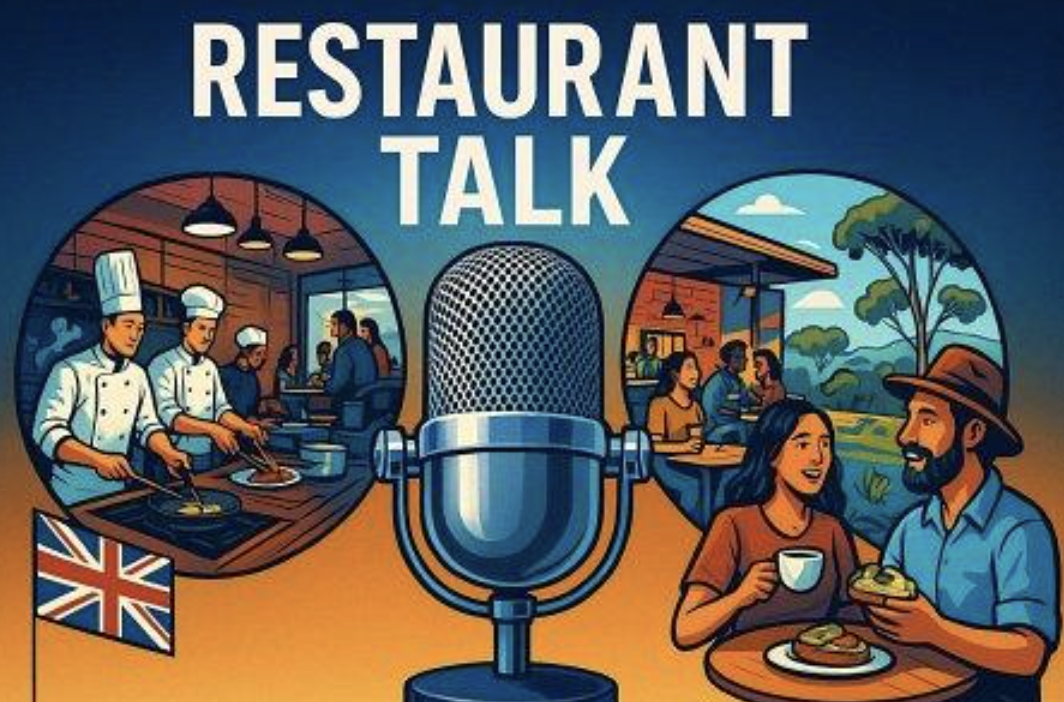
The Save Fry Oil podcast, also known as “Restaurant Talk,” is an energetic audio show hosted by a group of industry insiders: Duncan Hunter, Kieron Bailey, Chrissy Symeonakis, and Susan Tung. They represent the UK, Australia, Canada, and the US, bringing different regional and professional viewpoints. This mix helps the show compare how hospitality issues show up in different countries and gives a broad, balanced picture of the industry.
The mission of the podcast is simple and clear: to change how people think about commercial kitchen operations through honest, straight-talking content. It is about real, practical methods, not theory.
Whether you’re opening your first spot or improving a long-running group of restaurants, the aim is to help you cut waste, control costs, and build a business that is both sustainable and profitable. To hear the latest episodes and expert chats, subscribe to Smart Frying Talk by Save Fry Oil.
What Sets Save Fry Oil Podcast Apart from Other Restaurant Industry Shows?
This show stands out because it refuses to avoid the tough topics. While many industry podcasts talk mostly about the front-of-house and the “glamour” side, Save Fry Oil goes straight into the difficult back-of-house work. It covers the messy, risky, and pricey parts of kitchen life-like used oil handling and labor shortages-with rare honesty. The conversations are raw and real, focused on true stories and hard lessons instead of scripted talking points.
The podcast also draws on 20 years of experience from the Save Fry Oil team. With this depth of background, the hosts can ask sharp questions about missed chances, big wins, and daily operations.
By talking about behind-the-scenes tech and the human side of leadership, the show gives a full picture of what success really takes, making it a valuable guide for anyone working in commercial kitchens.
Why Restaurant Trends and Best Practices Matter
How Restaurant Trends Shape the Hospitality Industry
Today’s trends are more than quick fashions; they show what customers care about. The rise of “swicy” (sweet and spicy) flavors and the popularity of ingredients like ube and matcha are no accident. They show that guests are open to global flavors and like food that looks great in photos and videos. The podcast looks at how these shifts-like the “dirty soda” wave or new drink-focused chains such as CosMc’s-push owners to rethink menus, service styles, and branding.
Trends around sustainability have also become normal expectations. Diners in 2026 are more likely to pick places that show clear care for the environment. The podcast points out that about 90% of diners now say they prefer spots that commit to green practices. This change has turned “zero-waste” from a niche idea into a smart money move that lowers hauling bills and cuts spoilage.
What Are Best Practices for Running Successful Restaurants?
Best practices are like guardrails that keep a restaurant from sliding into serious money problems. One of the most important topics on the show is knowing your financial ratios. Susan Tung, owner of Hanoi House, stresses that tracking costs properly-especially checking prime costs every week-is the base for a long-lasting business. This simple habit has saved operators like Jasmine from Chicago thousands of dollars by catching small cost issues before they get out of hand.
Another key practice is strong delegation. As Executive Chef Mike from Austin learned, “delegation is the scariest part, but it’s also the most fundamental.” Winning operators stop guessing and start using systems. These include:
- First-In, First-Out (FIFO) inventory rotation
- Clear prep sheets with target amounts (pars)
- Consistent portion control using scales and standard tools
These systems give owners their time back and keep the restaurant steady, even when they’re not on-site.
Featured Topics on the Save Fry Oil Podcast
Restaurant Entrepreneurship and Overcoming Startup Challenges
Starting a food business is famously hard, and the podcast is honest about that. Guest Anton Kinloch shared how he rushed the launch of Lone Wolf in just two months after losing his previous lease. His story shows the need for grit and the ability to build a cocktail culture in a market better known for simple, traditional food.
These episodes give a clear path through early issues like finding a space, handling lease terms, and implementing efficient systems like https://savefryoil.com/ to ensure the kitchen runs cost-effectively from day one.
Cost-Saving Measures for Commercial Kitchens
A regular topic is how to get the most out of the fryer, which is often one of the top three food-related expenses. The show explains how tools like Frylow can cut oil costs by up to 50% while improving food quality. By lowering cooking temperature and stretching oil life, operators can see a strong return on what they spend. The podcast also looks at food waste more broadly and notes that for every $1 used to cut food waste, restaurants save about $7.
Technology’s Impact on Modern Restaurant Operations
From AI-driven inventory tools to Kitchen Display Systems (KDS) replacing paper tickets, tech has moved from “nice to have” to “must have.” Jim Harris of Western Computer joined the show to talk about how AI and robots are changing guest expectations.
AI is not just about machines cooking food-it also means hidden systems that track cooking temperatures and predict what guests will order, leading to about a 22% drop in food waste for early adopters.
Adapting to Changing Customer Expectations and Reviews
Rachel Smalling, owner of several venues, spoke about partnership challenges and the strong effect of customer reviews. The podcast explains that you can’t control every review, but you can control how you answer and how your systems work behind the scenes. One major lesson is hiring for personality and attitude over pure experience. A team with the right mindset can handle pressure and change better than a highly skilled team with bad morale.
Balancing Tradition and Innovation in Food Service
Anna Ping of Great Fountain shared how a second-generation operator can update a family business while keeping its spirit. By using social media well, she drew in a younger crowd but still protected her parents’ “cowboy cooking” style. This balance matters for long-standing brands that want to stay relevant in a digital-first age.
Scaling Delivery Operations Without Added Tech Hassles
Chris Heffernan, CEO of dlivrd Technologies, talked about hard truths around delivery performance. He explained that growing delivery is not just adding more third-party apps. It means using connected systems that make off-premise orders smoother. By watching real performance metrics instead of vanity numbers, restaurants can grow delivery without crushing the kitchen or lowering food quality.
Expert Insights from Industry Leaders
Key Lessons from Restaurateurs and Chefs Featured on the Show
The podcast is full of useful advice from people working on the ground. Chef Jae Lee spoke about opening three locations during a global pandemic, stressing the need for steady effort and determination. David Burton shared his 20-year path with Hard Rock Cafe, describing the teamwork and the change in kitchen tech from Cardiff to Amsterdam. These stories show that tools and systems change, but hospitality still depends on human connection.
Advice on Restaurant Finance, Rent, and Prime Costs
Money topics can feel scary, but the podcast makes them easier to handle. Susan Tung’s clear steps on financial ratios have been a big help for many listeners. By breaking down ideas like rent-to-sales ratios and prime costs (labor plus food), the show helps managers stop guessing and start using data to guide choices. Malik, an operations manager, shared that simply checking the numbers every week changed how he saw the health of the business.
Real Stories: Second Generation Restaurants and Team Culture
In one episode, Joanna and Jeanette of Yueh Tung Restaurant talked about stepping into a family business. They spoke about pushback they faced as women in a male-dominated kitchen and how they had to bring structure to “cowboy cooking” methods. Their story shows the power of letting results prove value and building a team culture that respects both new ideas and long-held traditions.
Recent and Noteworthy Podcast Episodes
Black Restaurant Week: Supporting Culinary Businesses
One standout episode featured Falayn Ferrell, who told the story of Black Restaurant Week’s growth from 20 restaurants in Houston to more than 1,500 across the country. The discussion covered how gentrification can both help and harm neighborhood staples and stressed the need for data to support advocacy. It underlined a key point: Restaurants are often the first to hire locally and support their communities, yet they are often overlooked for city programs and tourism spending.
Food Innovation at Wagamama and Other Restaurants
Jamie Henderson, Food Development Chef at Wagamama, explained the “Kaizen” approach-getting a little better every day. He talked through Wagamama’s award-winning dishes like “watermelon tuna” and vegan squid made from king oyster mushrooms. This episode is valuable for anyone curious about how a large brand keeps quality high and maintains a “family meal” spirit while running restaurants in many countries.
Opening Cocktail Bars and Handling Industry Hurdles
Anton Kinloch’s bar-focused episode covered challenges such as holding down costs during tariff spikes and building a strong drink menu. He described how he gave his team the freedom to create and test ideas, showing that even in a tight, fast-moving environment, supporting staff creativity can lead to better guest education and a more refined bar experience.
How Restaurateurs Benefit from the Save Fry Oil Podcast
Practical Kitchen Insights Direct from Operators
Listeners gain a set of tips they can use right away. Ideas range from “putting plate builds on paper” to help with training and delegation, to using color-coded ladles for consistent portions. These simple, hands-on changes often lead to big gains in staff efficiency and guest satisfaction.
Resource Recommendations for Hospitality Professionals
The show also points listeners to a range of helpful “Restaurateur Resources.” These include guides on zero-waste programs, POS tools for food trucks, and side-by-side breakdowns of frying technologies. The Save Fry Oil blog acts as a “Cost Reduction Resource Center,” with detailed articles like “8 Signs Your Frying Oil Has Gone Bad” and “How to Successfully Open New Restaurants.”
Community and Network Building Opportunities
The podcast also builds a sense of community. Hospitality can feel isolating, but hearing that a manager in Sydney and a chef in Austin face similar problems brings comfort and connection. The hosts invite listeners to reach out to guests and hosts on LinkedIn and Instagram, turning listening time into real networking. This shared community is a key part of why the show feels like more than audio-it functions as a support hub for modern restaurant operators.
Looking ahead, quiet, behind-the-scenes technology will play a bigger role. Experts expect that by the end of 2026, AI will be standard for handling tight margins at everyday cafes and gastropubs, not just high-end venues. The goal is to let these tools take care of repetitive tasks-like tracking stock and waste-so people can focus on what they do best: giving warm service and creating memorable meals. Data may guide decisions, but it is the story and passion behind each dish that will keep guests coming back.
The “farm-to-table” idea is also shifting into a more tech-linked “farm-to-data” model. With real-time information from local growers, restaurants can build menus around what is truly in season and available. This approach keeps ingredients fresher and builds a stronger local supply chain that can handle global shocks better. The operators who succeed will be those who combine smart high-tech tools with a hands-on commitment to their local community and craft.