Skip to content
Navigating Your Way Through Investment Knowledge

Are you thinking of possibly investing in the near future? If this is the path you are on, then you definitely have plenty of questions concerning investments, such as what is the best investment? Where do I find out more information? Luckily, these days information is extremely easy to find, and it is just a matter of knowing where to look.
Educating yourself has become simple. You can compare different sites and different types of informational platforms. You can also learn about investing via websites, books from top-selling authors, webinars, and even seminars or YouTube.
Best Ways to Get Information About Investing
Let’s take a look at all the engaging ways you can learn about investing that can help you navigate the complex landscape of investment knowledge.
Using Online Investment Platforms
In the past few years, websites where you can invest money online have made it easier for people to join the financial markets. Now, anyone can buy stocks, bonds, mutual funds, and other investments easily. As a user of these online platforms, you will benefit from the helpful tools used for research, and suggestions that are specific to you and your needs. No matter where you are in the world, there are sites and platforms that can help you find the best investments for your needs. For example, in the USA, many savvy investors use investment apps and dedicated sites for quick suggestions and easy, low-cost buy-ins. Such investment platforms in the UK are also popular with residents, as they offer unique suggestions tailored to investors’ goals. Let’s explore a few types of common investment platforms:
- Robo-Advisors: Robo-advisors like Betterment, Wealthfront, and Ellevest are computer programs that create and manage investment plans for people. They use math formulas to make plans that fit each person’s goals, how much risk they can handle, and how long they want to invest for. A great plus is that these platforms are not too expensive and they make investing easier for you by balancing your investments and offer great tax-efficient strategies, which may allow you to pay less tax.
- Brokerage Platforms: Brokerage platforms such as Robinhood, TD Ameritrade, and Charles Schwab allow you, as an investor, to buy and sell investments directly in the financial markets. Advanced trading tools and research reports are also offered, which would help you make well-informed investment decisions.
- Social Trading Networks: Social trading networks like eToro and ZuluTrade are places where you can learn from experienced investors and copy their investment moves. You can follow and talk to successful traders to get tips, learn new tricks, and make your investments safer by spreading them out.
Researching Guides and Educational Materials
One of the best ways to get the foundations of investing is through educational materials such as guides from professional authors who are investors and teachers of the industry. Countless books, articles, and online resources offer invaluable insights into various investment strategies, principles, and market dynamics.
Whether you know some information about investing or none at all, there will be a book that will suit your specific needs. This way you can continuously improve your investing knowledge and therefore enhance your decision-making.
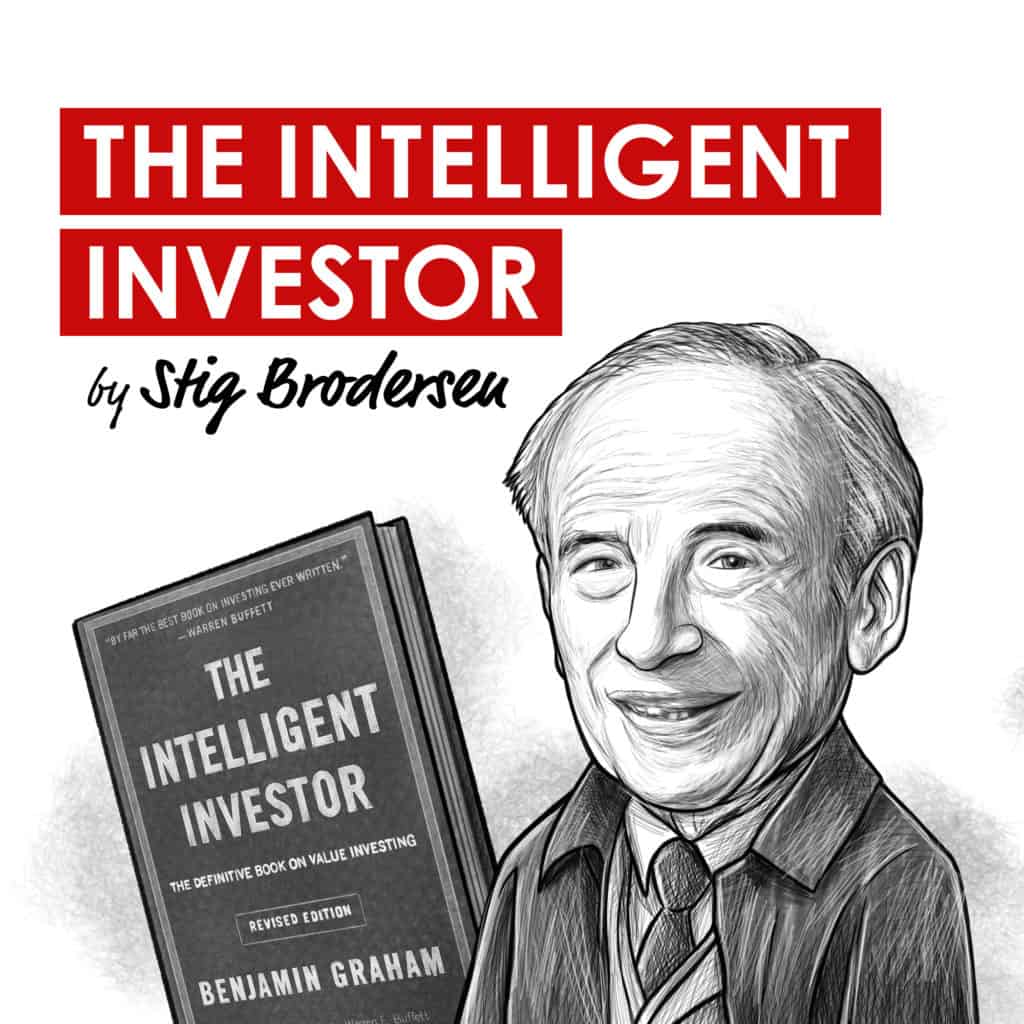
- Books by Renowned Investors: Authors like Benjamin Graham, Warren Buffett, and Peter Lynch have penned timeless classics that elucidate fundamental investment principles. Titles such as “The Intelligent Investor,” “The Essays of Warren Buffett,” and “One Up On Wall Street” offer invaluable wisdom derived from decades of experience.
- Online Educational Platforms: The internet provides a wealth of educational content, and most of them are free. Investment learning opportunities are literally at your fingertips. Investopedia, Morningstar, and Khan Academy, to name a few, are incredible resources that share information. The topics have a wide range, so there really is something for everyone.
- Financial News Outlets: Stay on the pulse of any investment learnings, new and old by subscribing to authoritative financial news outlets, such as Bloomberg, CNBC, and The Wall Street Journal, to name a few. What is great about these subscriptions is that you will receive real-time information and updates, add that to your other learnings and you will be experienced within the investment world, in no time.
Certainly, these are not the only options available, it’s just a matter of going online and searching for the topic of investment you are interested in.
Engaging with Investment Podcasts and Webinars
Podcasts and webinars are such a great way to learn about investing. Not only can you listen or watch them at any time, but they can be really engaging too, which means if you have a question, you could most likely have it answered. Usually, the panels on these platforms are experienced veterans in the industry, so learning directly from them will be a benefit to you.
- Investment Podcasts: Podcasts such as “The Motley Fool Money,” “Invest Like the Best,” and, of course, “The Investors Podcast” feature discussions on investing, personal finance, and wealth management. These platforms cover everything from stock analysis to behavioral finance and all from industry experts.
- Webinars and Online Seminars: Financial experts and companies hold webinars and online seminars to teach people about investing. These sessions can be live or recorded and often have a question-and-answer part, so you can talk to the speakers and understand better.
- YouTube Channels: There are lots of YouTubers who make videos about money and investing. They give advice on things like picking stocks, stories about people who made a lot of money, and updates on what’s happening in the stock market. YouTube has videos for all kinds of learners.
Advantages of Investing
Investing offers a number of advantages, some of which include:
- Potential for Wealth Accumulation: Investing provides the opportunity to grow your wealth over time through capital appreciation, dividends, or interest payments.
- Beat Inflation: Investing in assets such as stocks, real estate, or commodities can help you outpace inflation and preserve the purchasing power of your money.
- Diversification: Investing across different asset classes, industries, and regions can help spread risk and reduce the impact of volatility on your overall portfolio.
- Passive Income: Some investments, like dividend-paying stocks, bonds, or rental properties, can produce steady income without requiring regular involvement.
- Tax Benefits: Most investments have tax advantages, like tax-deferred growth in retirement accounts or capital gains tax for long-term investments.
Disadvantages of Investing
There are some potential risks associated with investing, these include:
- Risk of Loss: All investments carry some level of risk, and there’s no guarantee that you’ll make a profit. Prices of investments can fluctuate, and you may end up losing some or all of your initial investment.
- Volatility: Financial markets can be volatile, experiencing rapid price swings in response to economic, political, or other external factors. This volatility can lead to short-term losses and make it challenging to predict future returns.
- Time and Research: Successful investing often requires significant time and effort to research investment opportunities, monitor market conditions, and manage your portfolio effectively.
- Opportunity Cost: Money invested in one asset is unavailable for other uses, such as emergencies or short-term expenses. This opportunity cost could be significant if you need liquidity but your funds are tied up in investments.
- Emotional Factors: Investing can evoke strong emotions, such as fear, greed, or overconfidence, which may lead to impulsive decisions or irrational behavior that can negatively impact investment outcomes.
Conclusion
By reading the above, we can see that in today’s digital world, learning everything you need to know about investing is simple, easy, and accessible. In order to make better investing decisions and work smarter with your money, using the resources available to you would do so.