Skip to content
Using Credit Cards Responsibly: Dos and Don’ts

Credit cards have a bad reputation for enabling debt, but the truth is they can be extremely useful financial tools when used responsibly. The key is developing smart habits around how you use credit to ensure you reap the rewards and conveniences without falling into a cycle of expensive interest charges and damaged credit. For example, using the $500 credit card limits no deposit offers can be a great start for your credit history.
Whether you’re new to credit or you’ve made some missteps with cards in the past, developing discipline around responsible credit card usage can put you on the path to financial success. Here are some dos and don’ts that can help you on this journey:
The Dos of Credit Card Usage
Do Make Payments on Time, Every Time
This one is non-negotiable. Payment history is the biggest factor affecting your credit, constituting 35% of the FICO score and 40% of the VantageScore model, so even one missed or late payment can be very damaging. Set up payment reminders, enroll in autopay, or pay ahead of the due date—do whatever it takes to avoid those costly late fees and negative marks on your credit report.
Do Pay Your Balance in Full Each Month
The best way to use a credit card is to treat it like a debit card that you pay off in full. Carrying no balance allows you to enjoy the card’s benefits and grace period without accruing interest charges on purchases. If you can’t pay in full one month, pay as much of the balance as possible.
Do Check Your Statements Carefully
Review your card statements for any unauthorized charges, billing errors, or unwanted subscription renewals. Monitoring your account activity can catch errors before they balloon into bigger issues. It’s an easy way to stay on top of your finances.
Do Take Advantage of Rewards and Perks
If your card offers cash back, points, miles, or other rewards programs, use them! You’re essentially earning free money or travel just by using your card responsibly for purchases you’d make anyway. Cards also extend valuable protections like rental car insurance, purchase protection, and extended warranties that you should utilize.
Do Keep Your Credit Utilization Low
How much of your total available limit you use is called your credit utilization ratio. Keeping your balance below 30% of the limit across all your cards will have a positive impact on your scores. Experts suggest using no more than 10% for the best possible scores.
The Don’ts of Credit Card Usage
Don’t Open Too Many New Credit Accounts
Applying for multiple new cards in a short period can be seen by lenders as higher-risk behavior and hurt your scores, especially if you have a limited credit history. Space out applications for new cards by six months or more, and only open lines you’ll actually use.
Don’t Close Unused Accounts
Closing old credit card accounts can inadvertently raise your overall utilization ratio by decreasing your total available limit. That impacts your scores negatively. It’s better to leave unused cards open to maintain that limit unless you have to pay hefty annual fees.
Don’t Max Out Your Credit Limits
Pushing the balance on a card all the way up to its limit is seen by lenders as very risky behavior and can lower your scores. Try to keep individual card balances below 30% of their limits, and your overall utilization ratio lower.
Don’t Cash Advance or Use Credit Cards for Loans
Cash advances from these cards come with very high fees and steep interest rates, usually higher than the standard purchase APR. Using your card to get a cash advance or fund a short-term loan is an easy way to rack up lots of expensive interest charges quickly.
Don’t Let Cards Go Idle
Card issuers may close unused accounts after a period of inactivity, which can impact your scores by lowering your overall limit. Make a small purchase with idle cards every few months to keep them active, then pay the balance off.
A Few Common Myths About Credit Cards
- You Don’t Need to Carry a Balance to Build Credit: Despite what you may have heard, carrying a balance is not required to build a credit history. Making payments on time is what impacts your scores positively, whether you pay in full or not.
- Checking Your Score Doesn’t Hurt Your Credit: Checking your own scores through different services has no impact on them. Only lenders checking your scores when you apply for new financing can potentially cause a small, temporary dip in the number.
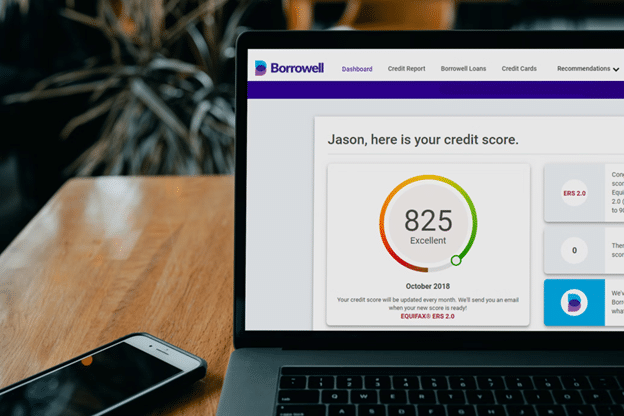
Follow these responsible habits and you’ll be well on your way to maintaining an excellent score that unlocks the best interest rates, rewards, and financing opportunities.