Skip to content
Why Flexibility & Automation Matter in Modern Trading

Trading in the financial markets isn’t what it used to be. Just a few years ago, most of what a trader needed to succeed was intuition, experience, and hard work. But now, it’s mostly about speed, accuracy, and adapting to the rapidly changing markets. A big reason for this change is technology. How? Well, today’s global financial markets move at a lightning-fast speed. Prices can jump up or drop down in seconds because of world events or how connected the global economy is.
So, what’s the secret to keeping up and doing well? Two things: flexibility and automation. This guide will explain why these two things are essential for how we trade today.
Understanding Trading Strategies
Every good trader in any financial market — crypto, stocks, or forex, for instance — needs to know the importance of a solid trading strategy. It doesn’t matter if it is your first trade or your thousandth; you need a trading strategy. And not just any strategy will do; you need a well-structured approach that will help you make informed decisions and manage your risk when trading. Why? A decent strategy keeps your emotions in check and ensures that research and rationale drive every trade. This approach positions you for long-term success.
If we go back a few years, most retail traders’ major strategy focused on studying data, economic indicators, and market news (fundamental analysis) or just technical analysis, which involved analyzing historical price movements and chart patterns. This strategy worked well enough, mainly because of the platforms that provided the tools to make these analyses easy. This laid the foundation for disciplined trading. However, it was rigid (borderline formulaic) and could not be scaled or automated.
Now, modern trading strategies are taking over. They are built on the foundation of traditional trading strategies but leverage advanced technology, such as algorithmic trading, machine learning, and big data analytics, to identify opportunities and allow you, as a trader, to carry out trades with precision. The entirety of modern trading strategies lies in their ability to process a ton of data in real time, removing emotional bias and allowing traders to react instantly to market movements. Almost no traditional strategy can top that.
For this reason, platforms like MT4 Trading have become popular among traders for their powerful automation capabilities, customizable features, and support for algorithmic trading strategies. These platforms allow novice and experienced traders to operate efficiently in dynamic market conditions and make it easier to stay ahead in today’s fast-paced financial world. However, traders of all ranks sometimes ignore two things that can make modern trading strategies a whole lot better: flexibility and automation.
Flexibility in Modern Trading Strategies
You cannot be stuck in your ways when it comes to trading. The market is very dynamic and moves really fast, which means you, too, have to move and be able to change your strategy whenever the conditions of the markets demand it, as long as it fits into your trading goal. That is why you must have tools to help inform your trading decisions in today’s market.
Here’s the thing: flexibility in trading doesn’t mean you change your decisions every chance you get; it means staying open to new information and adjusting your actions without losing sight of your overall goal.
Think of it like sailing a boat. No matter how bad the wind gets, your destination remains the same, but sometimes, you must adjust your sails to keep moving forward. In trading, the “wind” is market trends, news events, and economic shifts.
Why Is Flexibility Important?
1. Adapting to Market Changes
Prices can rise or fall suddenly due to news, political events, or economic changes. Traders who can’t adapt quickly are most likely to lose money.
2. Staying Ahead of Trends
Flexible traders can spot new trends and take advantage of them before others do, especially when using the right platforms and tools.
3. Balancing Risks and Rewards
Flexibility helps traders manage risks while still chasing profit opportunities.
Automation in Modern Trading Strategies
The trading process can occasionally get complicated, and that complication can be dangerous to traders, especially beginners. Automation solves this problem. In modern trading strategies, automation uses technology to streamline and enhance various aspects of the trading process. This can include things like algorithmic trading (where computers execute trades based on pre-set rules), robo-advisors for portfolio management, and automated execution systems that react to market movements instantly. Automation helps traders stay efficient and competitive in today’s fast-paced markets by reducing manual involvement.
Importance of Automation
1. Speed
In markets where seconds can mean profit and loss, automation executes trades in milliseconds, ensuring no opportunity is missed.
2. Accuracy
Automation eliminates human errors during trade execution, reducing costly mistakes.
3. Scalability
Managing multiple trades or analyzing large datasets becomes effortless, making it ideal for individual traders and large institutions.
4. Consistency
Algorithms follow pre-defined rules, removing emotional decision-making and promoting disciplined strategy adherence.
Flexibility and Automation In Trading
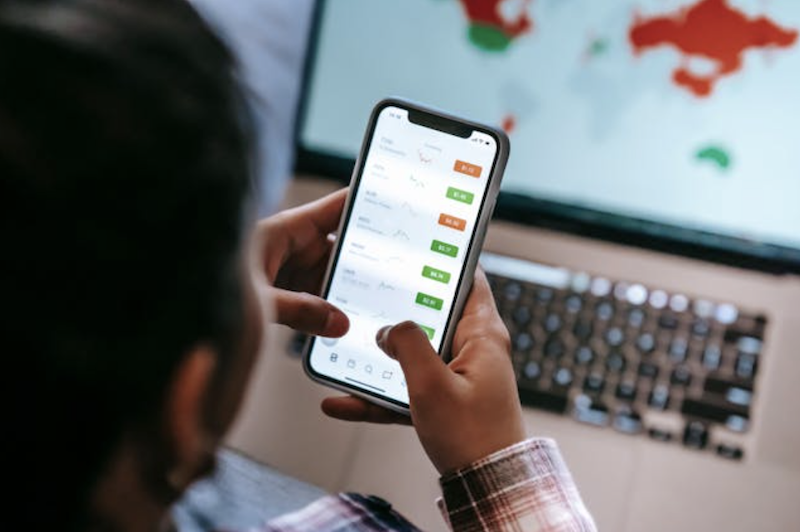
Flexibility and automation offer some pretty powerful benefits in their own rights that any trader would appreciate, but it’s their combination that creates a truly effective strategy. Think about it: automation alone can be rigid. It only works by sticking to strictly pre-defined rules and adapting to sudden market shifts. Meanwhile, flexibility without automation can lead to inefficiencies, as human decision-making may not keep up with the speed and complexity of modern markets. However, when you combine both, you get the best of both worlds: a balance of automation that handles routine tasks with precision while flexibility ensures adaptability when it’s needed most.
So, as markets evolve with technologically driven trends like AI and new asset classes like cryptocurrencies, the need for flexibility and automation together will only grow. Flexibility and automation prepare traders to succeed in the rapidly changing trading landscape.
Mastering the Balance
You need flexibility and automation to succeed in today’s trading world. Flexibility ensures you can adapt to shifting markets, while automation brings you speed, accuracy, and consistency. Together, they form a powerful combination that allows you to trade in today’s volatile and fast-paced financial environment with a higher chance of success.
This means that if you want to succeed and remain competitive, you need to start exploring tools and strategies that combine these two elements. Platforms like MT4 Trading and similar solutions offer the perfect balance of automation and customization, helping you build efficient and adaptable strategies.