Skip to content
Churchill Downs (CHDN) Intrinsic Value: Stock Valuation
By: Shawn O’Malley
Daniel and I have reviewed a handful of companies with really cool trophy assets in this newsletter, but most of the time, the associated business is hardly profitable, as we saw with Manchester United and Madison Square Garden Sports. With these stocks, you’re buying a slice of cultural cachet, but you’re not necessarily buying a business that compounds capital.
Churchill Downs Inc., which owns the rights to and hosts the Kentucky Derby, is an exception.
The Derby is an event that happens only once a year; it’s two minutes of chaos, a few iconic camera shots, a winner’s circle photo, and then the whole thing disappears again until the following spring. To have the Kentucky Derby, then, as your company’s signature asset implies very little room to compound — the event can only get so big, and it can only be once a year…
But behind the Kentucky Derby’s pageantry is a gambling empire, creating a flywheel around the business, and the Derby, that supports more compounder-like characteristics, with earnings per share compounding at nearly 30% a year over the last decade!
Will Churchill Downs Inc., thanks to the Kentucky Derby, prove to be the most attractive sporting company we’ve yet come across?
OVERVIEW OF CHURCHILL DOWNS: THE KENTUCKY DERBY IS PUBLICLY-TRADED?
The Kentucky Derby as a Brand Asset
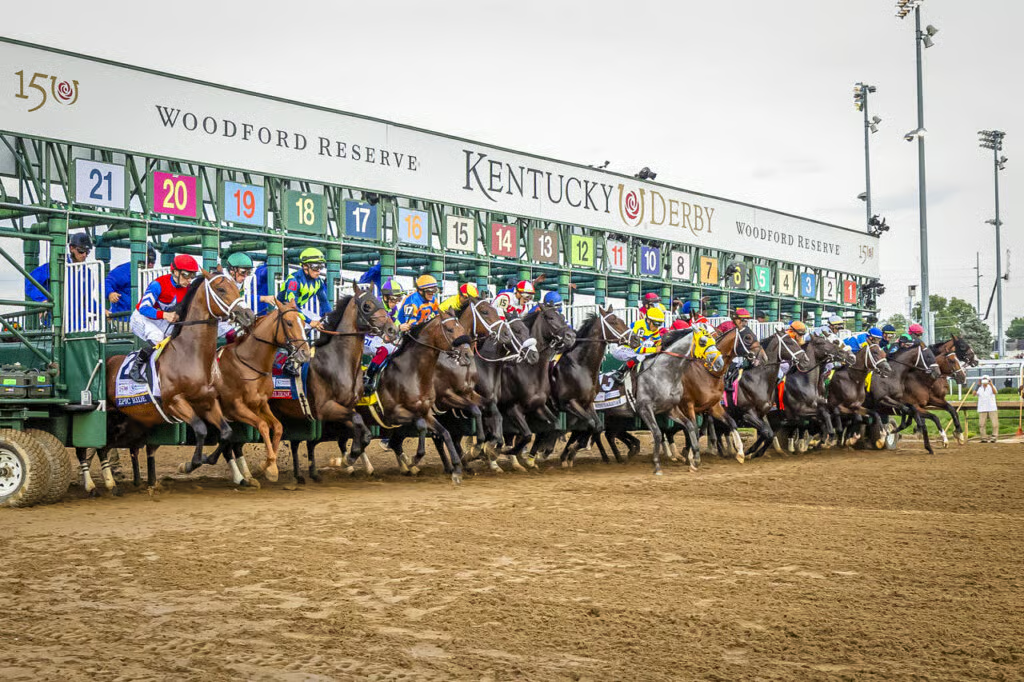
When I picture the Kentucky Derby, a few images come to mind immediately. Extravagant hats. Mint juleps. Pastel-colored preppy clothes. The thunder of hooves breaking from the gate.
It’s a spectacle of tradition and Southern charm, and it’s been a fixture of American culture since 1875…even if Daniel, as a German, had never heard of it until I pitched Churchill Downs (ticker: CHDN) to him. While lesser known internationally, in the U.S., the Derby is one of those cultural phenomena that you can ignore for most of the year, and then, suddenly, it’s everywhere for a week.
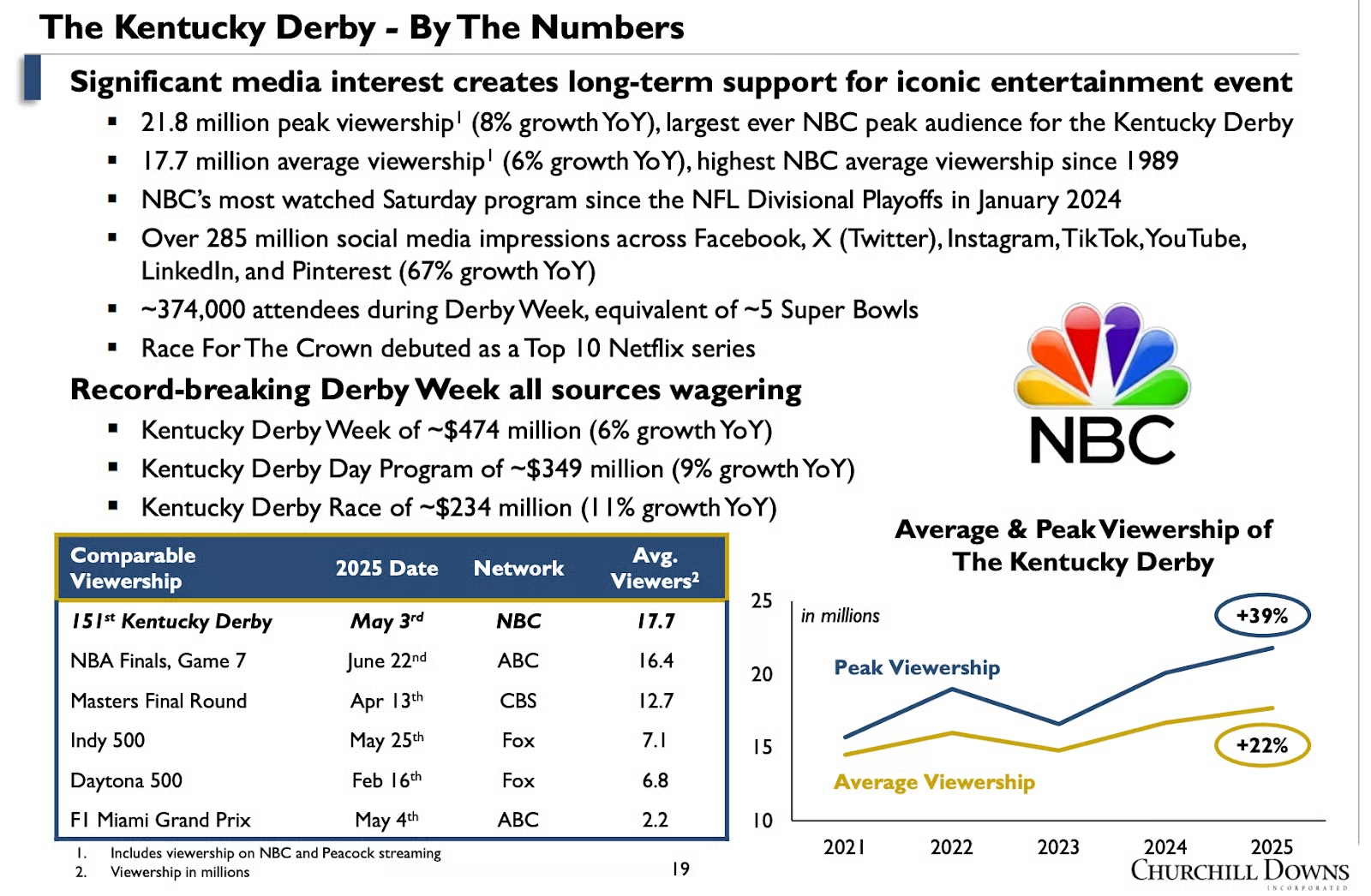
For Louisville, the home of the Derby, the city is consumed each year by a week-long festival, including the largest fireworks display in North America over the river, hot air balloons at sunrise, cooking competitions, a marathon, and bourbon everywhere. And then, sitting at the center of it all, is two minutes of racing that pulls in NFL-level TV ratings.
Over the course of Derby week, the festivities attract roughly 370,000 visitors, which is about the equivalent, in live attendance terms, of five Super Bowls(!)
Derby Week revenue breaks down into a few buckets, but the majority, around 60%, comes from ticketing. Roughly a fifth comes from wagers placed during the week, with something like 15% coming from sponsorships and licensing, and the remainder coming from broadcast rights.
The Derby is nothing short of a masterclass on hospitality and event planning in catering to the wealthy — a private suite at the Derby, which includes a multi-year lease commitment, can run from $130,000 to over $250,000. Even for a private room, not a full suite, you can pay as much as $1,800 per person. And then on the general admission end, when I last checked, the 2026 pricing ranged from about $165 to stand in the infield with no view of the race, up to around $2,800 per person for reserved seating.
(Those prices will likely rise further as the event approaches, too.)
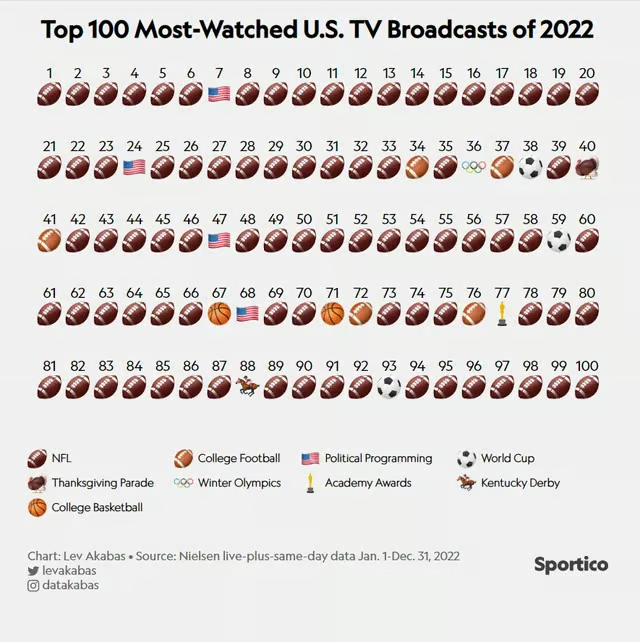
The Kentucky Derby Comes In 88th Among The Top 100 U.S. TV Broadcasts
Even the “cheap” end of the Derby’s ticketing matters, because that’s where you get college kids and people in their 20s going just to say they were there. As those attendees age, though, they move from the top of the funnel toward the bottom, into higher-ticket packages. As such, the Derby becomes a kind of status ladder, where you start in the infield and, ten years later, you’re in some corporate suite because your firm wants to entertain clients and signal prestige.
So yes, the Derby is the brand anchor; it’s a one-of-a-kind cultural asset.
The Workhorse Behind the Pageantry
While the Kentucky Derby is the flagship event and a massive cultural touchstone, the company’s financial stability is built on casino gaming, and specifically a unique type of device called a Historical Racing Machine, or HRM.
This was all new to me, and Daniel, before looking at this company, so let’s stay with the basics: HRMs look, sound, and feel almost identical to slot machines. But the legal difference is that their outcomes are based on the results of thousands of previously run, anonymous horse races, creating a subtle distinction that allows HRMs to operate under pari-mutuel wagering laws, which can make them legal in states like Kentucky, where traditional slot casinos are prohibited.
In a place like Kentucky, where horse racing and gambling are a major part of the economy, it’s hard to imagine anyone seriously wanting to close that loophole quickly, at least not without a fight. In 2022 alone, horse-racing-related groups spent more than $800,000 lobbying state legislators in Kentucky — these are entrenched interests.
According to industry reports, Kentucky’s HRM business generated over $9.6 billion in handle in 2024, with “handle” being the total amount wagered. That’s a huge amount considering that these machines have only been truly legal for a few years now.
So if the Derby is the brand anchor, HRM gaming is the monetization and growth engine, built on top of a network of traditional casinos and online horse betting (more on those points later).
It’ll be important today, so to just hammer it in again, whenever you see “HRM,” picture a slot machine for betting on anonymized horse race results from the past. That’s all it is.
How Churchill Pivoted Into What It Is Today
A big part of the Churchill story is that the current playbook wasn’t always, well, the playbook.
If you go back to 2014, Churchill acquired Big Fish Games, taking ownership of its “free-to-play” app called Big Fish Casino, where players could buy virtual chips with real money to keep playing. That freemium model led to legal challenges, though, because class-action lawsuits alleged the virtual chips were a “thing of value” under Washington state law, and, therefore, the activity amounted to illegal gambling.
The outcome was painful. Those lawsuits were settled for a pre-tax total of $124 million. What made it even tougher is that Churchill had already sold Big Fish Games at that point, but under the terms of the sale, they agreed to indemnify the new owner for losses from that specific litigation, so they were still on the hook.
To me, that episode illustrates how asymmetric the downside can be in this industry. Regulators really don’t want gambling businesses to expand too far outside their lane, and when they do, you can end up finding out — after the fact — that something you thought was a clever diversification effort is suddenly being treated as illegal.
After Churchill sold Big Fish Games in 2018 for almost a billion dollars in cash, the company effectively exited casual mobile gaming and invested in HRMs instead.

Kicking off that transition was the launch of Derby City Gaming in Louisville. It opened in September 2018 with roughly 900 HRMs, and it cost about $65 million to build. From there, you saw Churchill’s total number of HRMs grow from around 1,000 in 2020, to 3,000 in 2021, to almost 7,000 in 2022, and then to more than 10,000 by 2024.

As their portfolio of HRMs has exploded, the question, then, is how incrementally profitable are these machines?
The Business of Betting, in Plain English
The unit economics of HRMs boil down to wins per unit, per day. Basically, that refers to the average revenue earned per machine (net of customer payouts), per day, over a certain time period. In other words, if you want to sanity-check how lucrative an HRM venue is, you look at what each machine is earning daily after accounting for payouts.
For example, at Churchill’s Richmond, Virginia, location, the win per unit per day was about $470 over the 12 months. With 1,200 HRMs at that venue, you can back into an estimate of roughly $200 million in annual net revenue from that single location.
Not all machines or locations are equally profitable, though.
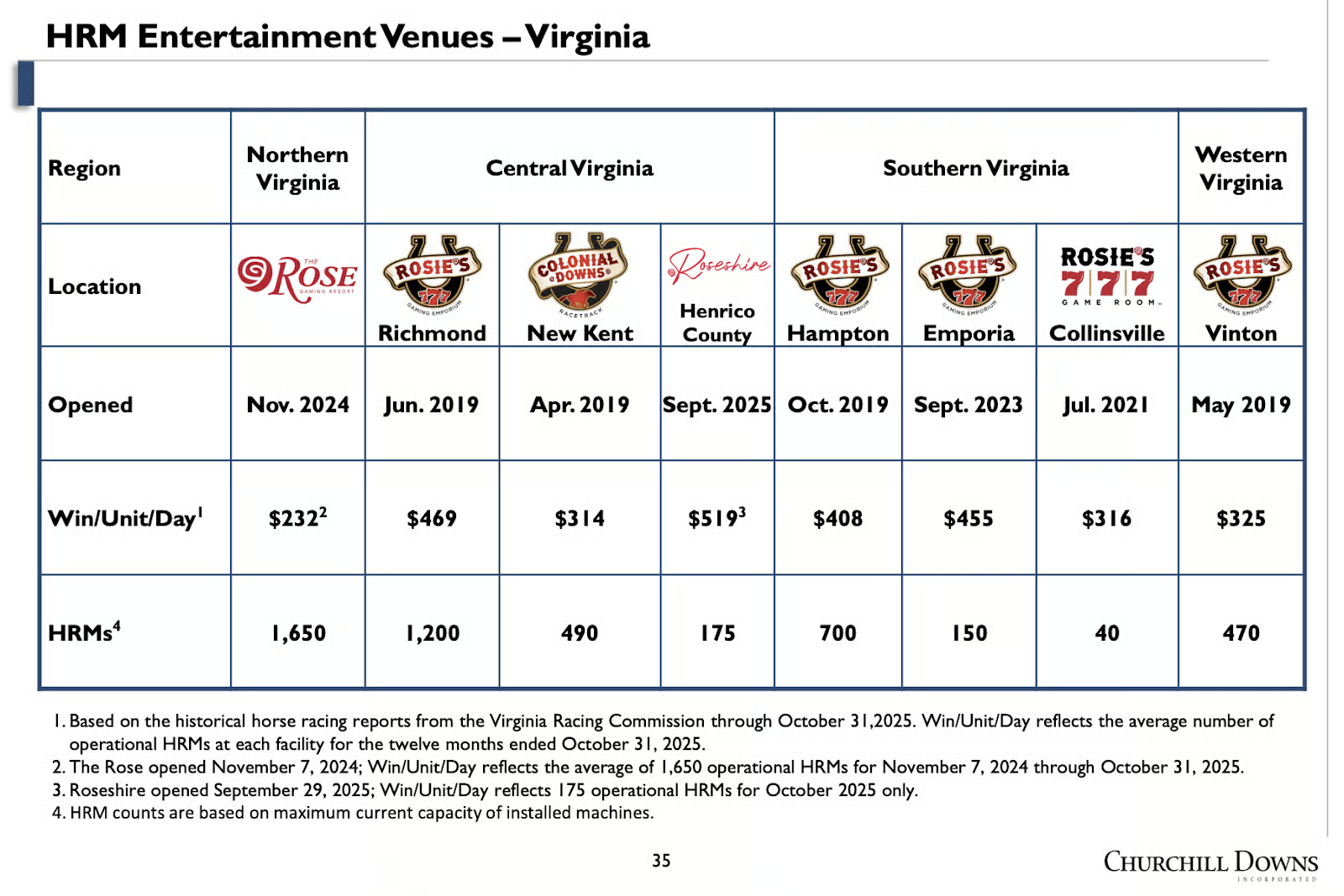
At one of their newer locations in Northern Virginia, daily revenue per machine was around $230 across about 1,650 machines, implying about $130 million in annual net revenue. Intuitively, you might expect the wealthy enclave of Northern Virginia, right outside D.C., to be one of the best markets. But it hasn’t been, at least on a per-machine basis.
Beyond the reality that there are probably grand opening promotions and discounts weighing on profitability here, affluent areas just generally have more entertainment substitutes, plus you can get more community pushback in these areas as well — wealthy communities have more resources to resist the arrival of new gambling venues.
Meanwhile, in markets where a Churchill venue is the only place to gamble for 100 miles, the usage per machine can be meaningfully higher.
Subtle geographic quirks matter too. For example, being close to a state that doesn’t permit that kind of gaming can boost out-of-state traffic.
And beyond the financial contribution, there’s another strategic reason HRMs matter: they fund the purses at corresponding racetracks (HRM gaming venue license approvals are often tied to ownership of real race tracks).
The purse is the payout to winning horses at live races, so more betting on anonymous historical races funnels more cash into winnings at live races, which attracts higher quality horses and jockeys, producing a better racing product. That, in turn, reinforces the overall ecosystem.
This flywheel idea matters because it’s part of what can make Churchill’s niche defensible. The Derby drives attention. HRMs drive cash. Cash boosts purses. Better purses improve racing quality. Racing quality supports the brand and the wagering ecosystem, as well as ticketing (live attendance) and media rights, and the whole thing feeds back into itself.
Regulations: The Good and The Bad
If you’re going to talk about a gambling company, you can’t avoid the regulatory picture. The world of gambling is governed by a patchwork of state and local rules that can lead to truly bizarre business requirements.
HRMs are a perfect example.
A lot of states see HRMs as slot machines in disguise, so they’re not keen on them. The states that do approve them often position them as a form of pari-mutuel wagering on racing, which is more palatable politically than saying, “we’re adding slot casinos.” Pari-mutuel wagering, for context, is a system where bettors wager against each other, not against the house, the way you do with a bookmaker.
All bets of a specific type go into a pool, the racetrack takes a “takeout,” and the remaining pot is divided among winners. The takeout is basically the price of betting. It funds taxes and helps fund the sport.
While Churchill does operate, or has stakes in, casinos and gaming venues across 11 states overall, HRMs specifically are narrower for a reason.
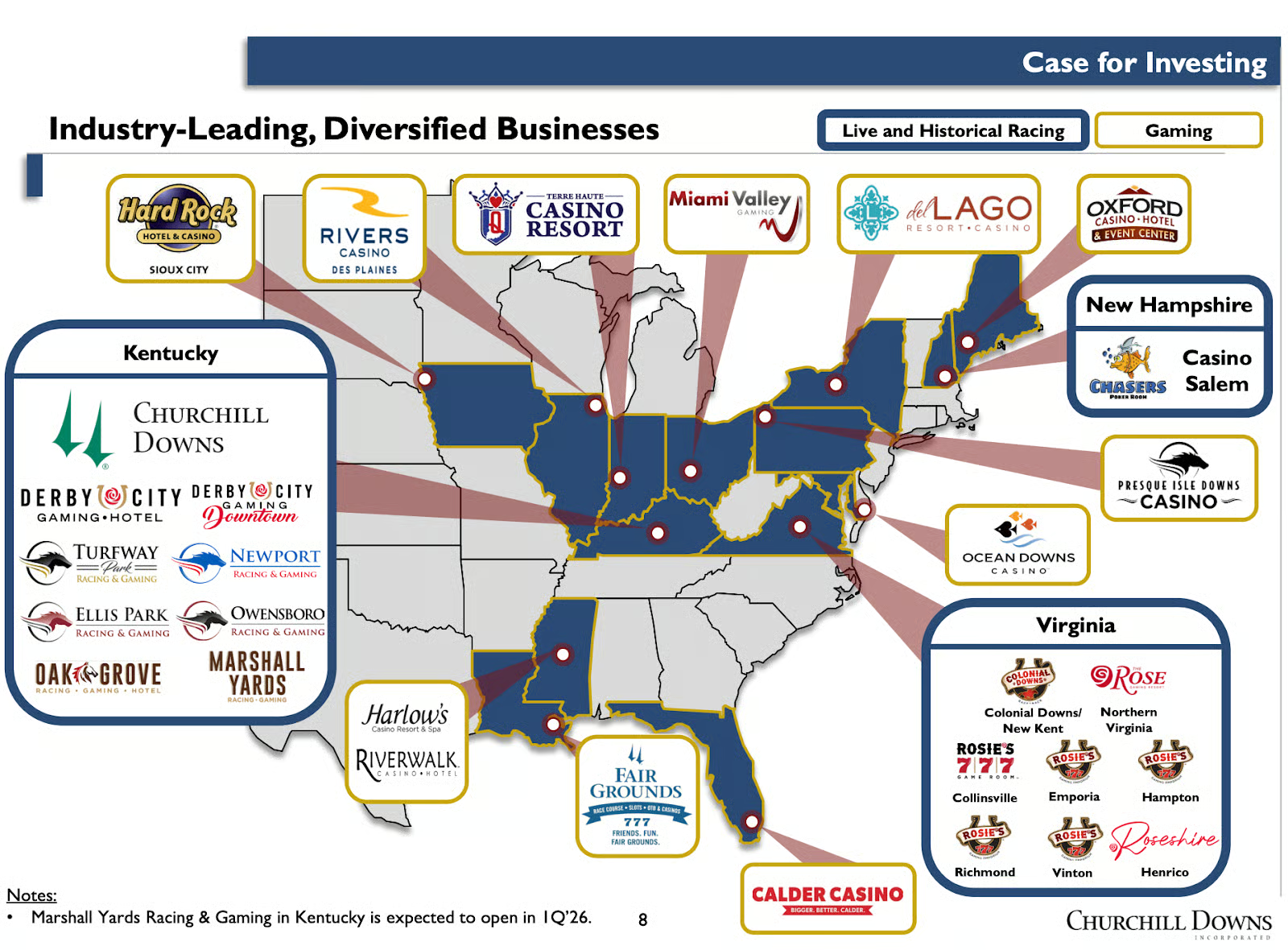
In some places, there are entrenched local competitors. In others, taxes are prohibitive. Sometimes it’s too difficult to find space and approvals, not just for an HRM venue but also for a racetrack to bolt it onto.
So Churchill Downs’ strategy has been to focus on where it already has greenlights and can build local culture around the HRM product. In a way, it reminds me of how Uber scaled one city at a time. When you’re trying to get people to adopt something new, a localized approach makes sense.
Management has told investors that their HRM facilities target a five-year payback period and have generally beaten that, so you’re looking at attractive returns on incremental capital in regulated niches (aka barriers to entry).
But this is also where the trouble lies.
In Kentucky, the key political question is whether the state wakes up one day and decides to tax these machines like a normal casino. That could wipe up to ten percentage points off operating margins. There are groups pushing for that, and the fact that this risk exists at all is part of why the market doesn’t place a pristine valuation multiple on CHDN.
At the same time, the coalition of tracks, breeders, and the broader horse industry has been effective at framing historical horse racing as part of agriculture and rural economic development, because proceeds are partially reinvested into these communities and into raising horses. Legislators go to the Derby, they see the jobs and tourism, and they step in to protect the status quo.
So the tax risk doesn’t go away, but you are, in a sense, betting against a pretty entrenched constituency if you fear a sudden, massive tax hike.
And then there’s the broader legal fragility. There are only a few states that permit HRMs generally — Wyoming, Virginia, Kentucky, Alabama, and New Hampshire. Kansas has authorized it, but the full rollout has just begun. Other states have tried and hit legal obstacles. Louisiana lawmakers, for example, voted to allow HRMs back in 2021, but the state supreme court struck the law down. Something similar happened in Oregon.
So HRMs don’t feel like they’re on the firmest ground everywhere, especially given how new the expansion is in some states, but the upside is obvious, too. If even one or two more states approve HRMs, that suddenly creates a whole new runway for growth, which is meaningful for a company with a market cap under $8 billion that’s currently concentrated in two core states (Virginia and Kentucky).
A Masterstroke: The Racetrack Deal With Louisville
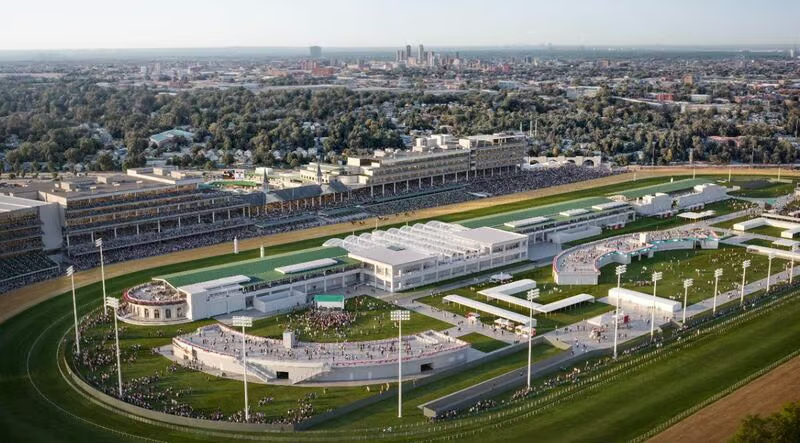
There’s another detail I want to mention here, because to me, it shows how long (and how effectively) Churchill Downs has been working with regulators, not against them.
In 2002, under former CEO Tom Meeker — who ran the company for 22 years — Churchill Downs transferred the title of the Churchill Downs Racetrack facility to the City of Louisville, but this wasn’t a sale in the normal sense. It was part of a financing arrangement to fund a transformation of the facility.
In exchange for the racetrack rights, Churchill Downs entered into a 30-year lease with the city. By no longer technically owning the track outright, the move has saved the company millions in property taxes. The city knew it would benefit from a $100 million-plus investment in tourism and gambling activity, so it agreed to legally take ownership to remove the property tax burden, with an embedded expectation that Churchill Downs would donate a portion of its property tax savings back to local schools.
The detail that matters most to shareholders is the buyback clause. Churchill Downs can re-acquire the entire facility at any time for just $1, so they effectively still “own” the facility, but choose not to on paper to bypass taxes (with the city’s blessing).
To me, it all looks very savvy and underscores something Daniel highlighted to me, which is that part of Churchill Downs’ moat is its regulatory relationships and its track record as a trusted operator. States are only willing to approve so many racetracks, casinos, HRM venues, and so on, and having existing licenses and being seen as a proven operator is a real competitive advantage.
TwinSpires: Selling Shovels During the Gold Rush
Given the proliferation of consumer sports betting apps over the last 7 years or so, you might be wondering how Churchill Downs fits into all of that. American readers can probably relate to the feeling of being bombarded by ads from companies like DraftKings, FanDuel, and MGM.
TwinSpires is a subsidiary of Churchill Downs that once tried to play the DraftKings and FanDuel game as a national online sportsbook, hated the economics, and then refocused on horse-race wagering and the rails behind it.
Inside TwinSpires, there are really two pieces. There’s a B2C side, which is the TwinSpires Horse Racing app and website that customers use directly.
Then there’s a B2B side, where Churchill Downs provides betting infrastructure for other sportsbooks’ horse-racing products. They provide the racing data, live video, handicapping tools, and sometimes the underlying wagering platform itself.
That’s why it can be confusing to talk about TwinSpires, because it’s more like a bundle of related businesses reported as one segment.
On the consumer side, TwinSpires Horse Racing is one of the largest and, according to the company, most profitable legal online horse-racing platforms in the U.S., even though it never became a broad national sportsbook. With that scale, they offer 24/7, 365-day-a-year wagering on roughly 165,000 races annually at around 360 racetracks around the world.
And management has said TwinSpires has at times controlled close to half of online horse-race wagering in the U.S.!
While the Kentucky Derby’s popularity has remained intact (and is growing), at the industry level, total horse wagering has been flat to down in the U.S. and Europe. Yet, the online slice of that pie has been growing over the last several years.
Instead of spending hundreds of millions chasing customers in the sports betting wars by trying to be a diversified sports book (enabling betting on all sports, not just horse racing), they leaned into being a middleman. They let companies like FanDuel bring the customer base, while Churchill supplies the horse racing content and the platform and takes a cut.
Again, management has proven its shrewdness by sidestepping the immense marketing costs being incurred by the DraftKings of the world, opting to profit from the industry’s overall growth by being a technology and content supplier to the broader sports-betting ecosystem.
My view is that the Twinspire’s unit adds a different texture to Churchill Downs’ cash flows, with a higher-margin platform-like business embedded in a company most people mentally categorize as an asset-heavy operator (i.e., race tracks & physical casinos).
The Risks: What You’re Actually Signing Up For
I see there being three buckets of risks to consider with a potential investment in CHDN.
The first is the popularity of horse racing itself. As mentioned, the Kentucky Derby is doing well, but it’s a special case; it’s not fully representative of the rest of the sport.
In 2024, only around 31,000 thoroughbred races were run in the U.S., down nearly 3% from 2023. Race days and fields have shrunk. Industry-wide pari-mutuel handles have fallen for three straight years, even while sports betting more broadly has grown.
In part, the pivot toward HRMs and regional casinos is meant to address this weakness in live horse racing. But there are secular headwinds facing the sport. And in 2023, Churchill experienced a cluster of horse fatalities that gave animal welfare groups ammunition to frame horse racing as animal abuse. I’m not here to argue that away. If the sport itself is in decline due to animal rights concerns, that will eventually erode the Derby too, even if the event is popular enough to stay insulated for a while.
The second bucket of risk is from regulators.
We already discussed tax and legal risks. HRMs can be seen as slots in disguise, and since laws can shift, this is an industry where your “moat” is often a set of permissions granted by the state, and those permissions come with strings attached.
I typically default to thinking that, if an industry generates significant tax revenues for state and local governments, then it’s hard to entirely legislate them away once the cat is out of the bag. That said, the risks are more likely incremental than existential, meaning lawmakers may find reason to justify additional taxes and fees to compensate municipalities at the expense of CHDN’s margins. Long-term, I find that to be most concerning point in trying to estimate the business’s intrinsic earnings power.

Operating profit margins have grown meaningfully over the last decade, but that could also invite more regulatory scrutiny (i.e., higher taxes)
The third bucket of risk is the balance sheet.
Churchill Downs’ finances aren’t the most inspiring set of numbers we’ve ever looked at.
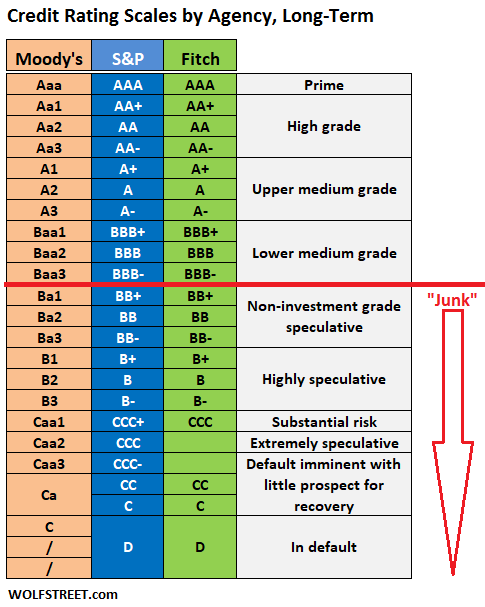
S&P Global lowered its credit rating on Churchill to BB- from BB in October 2025, citing slower-than-anticipated debt reduction. On that point, the company’s current ratio is around 0.57, which normally indicates not enough liquid current assets (i.e, cash & equivalents) to cover current liabilities.
Now, that doesn’t mean bankruptcy is around the corner, because a lot of what sits in those liabilities is things like deferred revenue and accrued gambling payouts held in restricted cash reserves and funded by float.
They spit off cash, and they also have untapped credit facilities, so I’m not saying this is a fragile business that’s one bad quarter away from failure, but there isn’t a ton of room for error either.
What puzzles me is how committed management has been to returning capital through annual dividends — 15 consecutive years of dividend increases — and aggressive repurchases of over $2.1 billion since 2015, which are largely financed with debt.
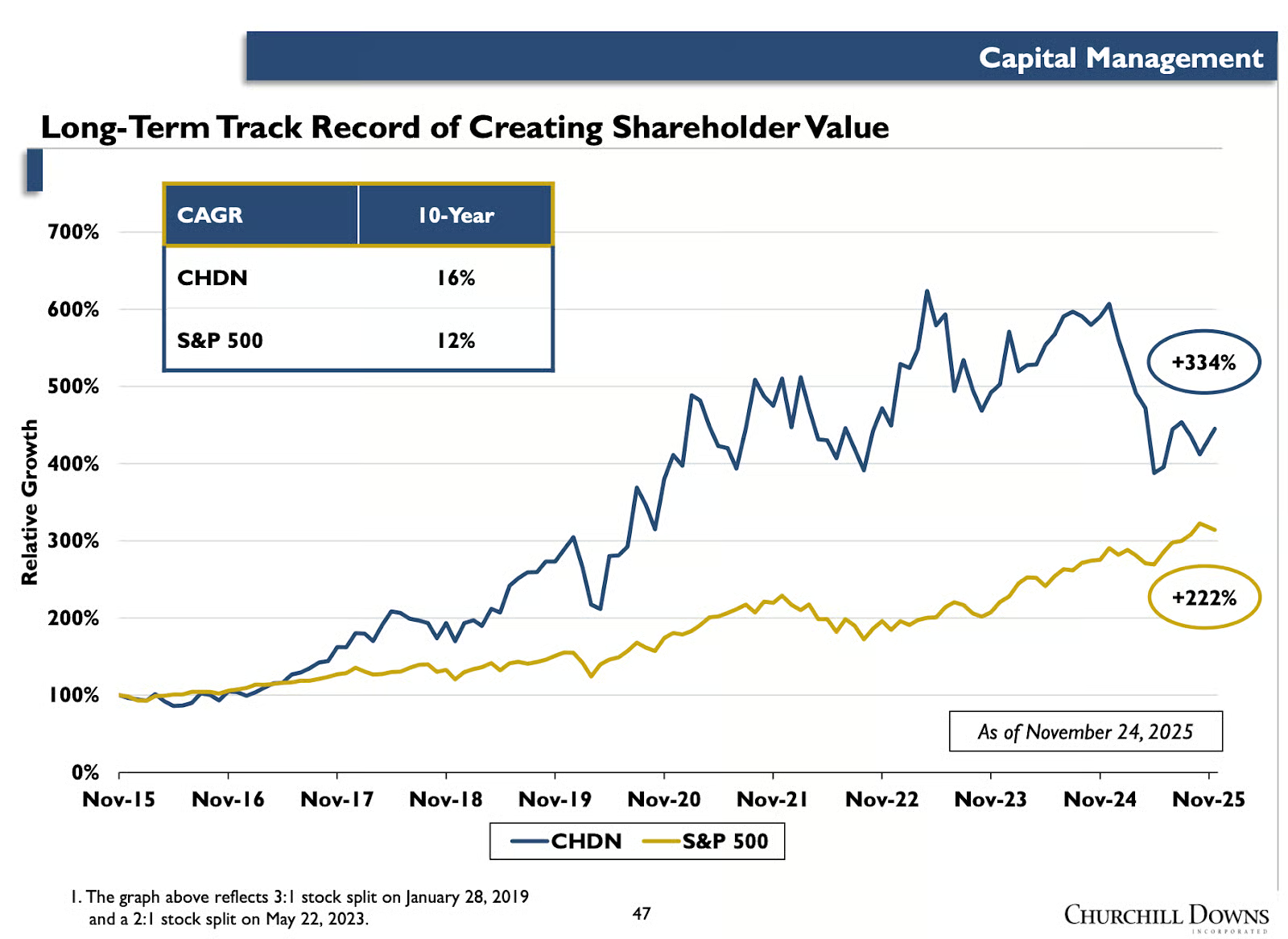
In a way, management is making a leveraged bet on future cash flow growth that can make buybacks accretive and improve leverage over time. Whether you agree with that or not — and I wouldn’t say I fully do — the result has been impressive shareholder value creation, and the stock has outperformed the S&P 500 by a wide margin for years.
How Churchill Fits Among Gambling Peers
Minus Flutter (owner of FanDuel) and DraftKings, Churchill Downs’ peers are asset-heavy businesses that are as much about in-person experiences and hospitality as they are gambling. Penn Entertainment alone operates 40-plus casinos, and casinos require lots of capital, whereas DraftKings is, well, just an app.
Just to zoom out a bit, there are about 1,000 commercial and tribal casinos across the U.S. Compared to global gaming hubs where licenses are more constrained, the U.S. tends to be looser by global standards, which means there’s more competition. And more competition tends to reduce moats relative to markets where regulators create tighter oligopolies.
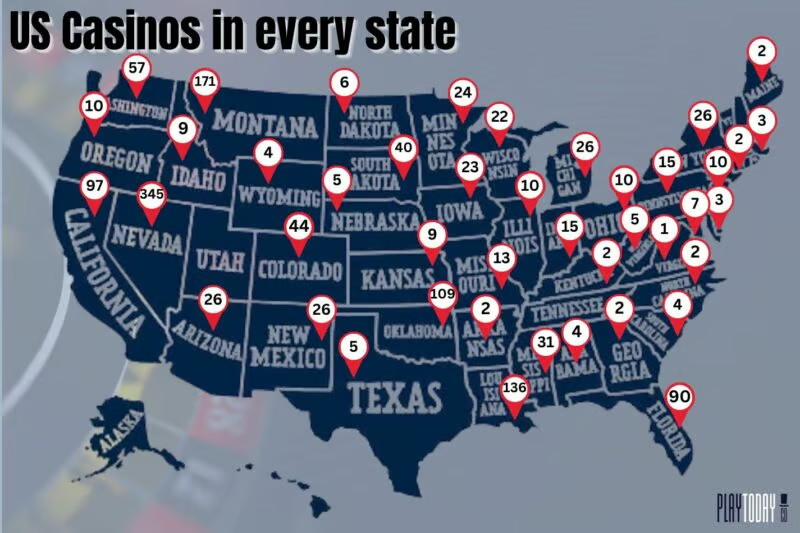
U.S. Casino Distribution
Prefer to watch? Click here to watch this episode on YouTube.
FINAL THOUGHTS ON CHURCHILL DOWNS
I would say that owning a stock like this is not for the faint of heart, but between the Derby being a durable trophy asset, and the growth in HRMs, hopefully you can start to see what I find appealing here when we’re talking about a company trading at 21x earnings, which is about ⅔ of the S&P 500’s P/E, despite boasting a 5-year revenue CAGR of 20%.

On the other hand, given the debt-laden balance sheet, the unknown future social and regulatory costs of running a gambling empire, and the uncertainty about horse racing’s enduring viability as a popular sport in North America, you could probably argue that even with the strong growth from HRMs, the profitability of the overall business, and the Derby’s brand value, 21x earnings hardly reflects a true margin of safety around this business.
I’m biased toward the former, but not so confident in the business that I’d want to add it as one of the limited holdings in our Intrinsic Value Portfolio, especially if Daniel isn’t totally on board (he’s not).
For now, this is one of those cases where I think there’s a lot of unknown unknowns for me, since I have very little experience otherwise with casinos or horse-race betting, so I don’t feel it’s worth modeling a fair value estimate for this company until I understand it better.
It’s on the watch list for the time being, but only as a company to do more homework on in the future. As always, if you have unique insights on this company or industry, we’d love to hear from you!
For more, check out our podcast on Churchill Downs here.
(Disclaimer: The Intrinsic Value Portfolio is a portfolio of high-quality, long-term stocks built out weekly by our hosts, Shawn O’Malley and Daniel Mahnke. To track the portfolio, sign up here.)
About The Author
Shawn O’Malley: Shawn O’Malley is one of the hosts of The Intrinsic Value Podcast where they break down and values different business every week.
Shawn O’Malley
Shawn O’Malley is one of the hosts of The Intrinsic Value Podcast where they break down and values different business every week.
OUR COURSES